A Childhood Dream Turned Professional Vision
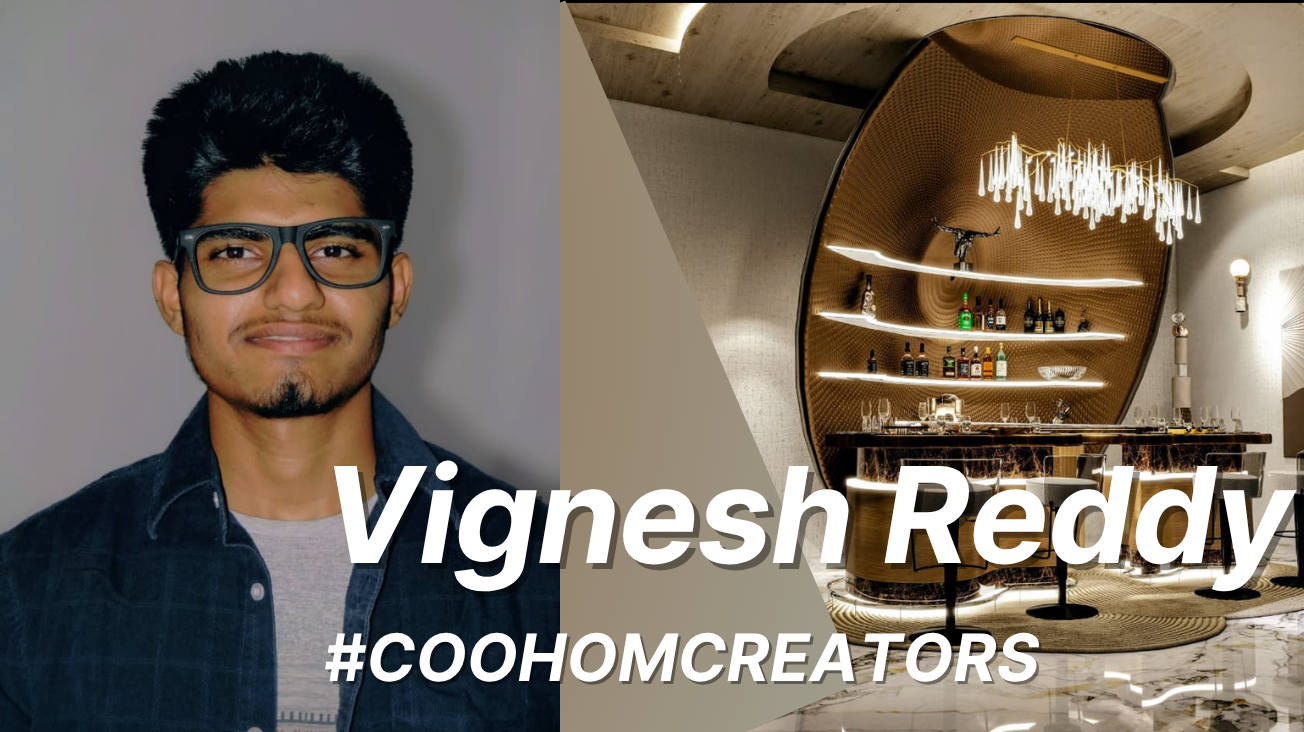
For Vignesh Reddy, design began as a childhood fascination.
Growing up in Hyderabad, India, he was always drawn to buildings and large architectural structures. In 2020, while searching for 3D design software, he discovered Coohom. What began as exploration soon became the foundation of his professional growth.
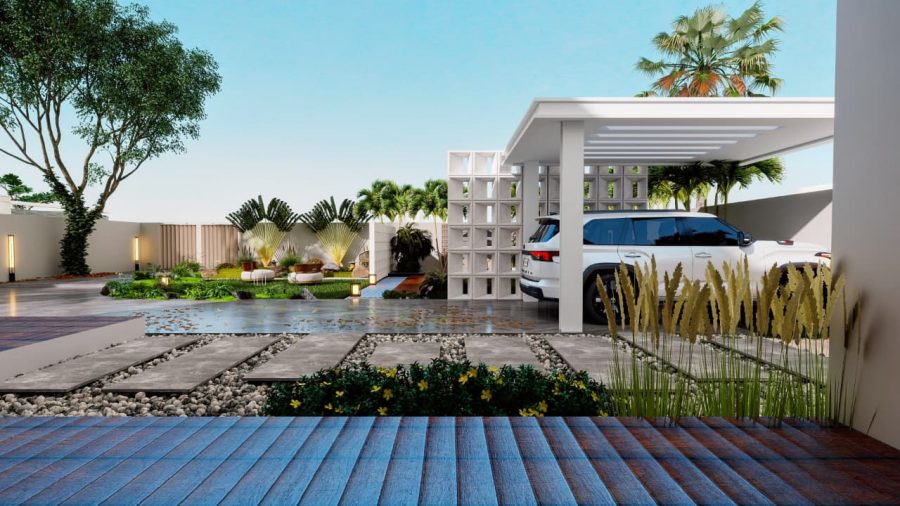
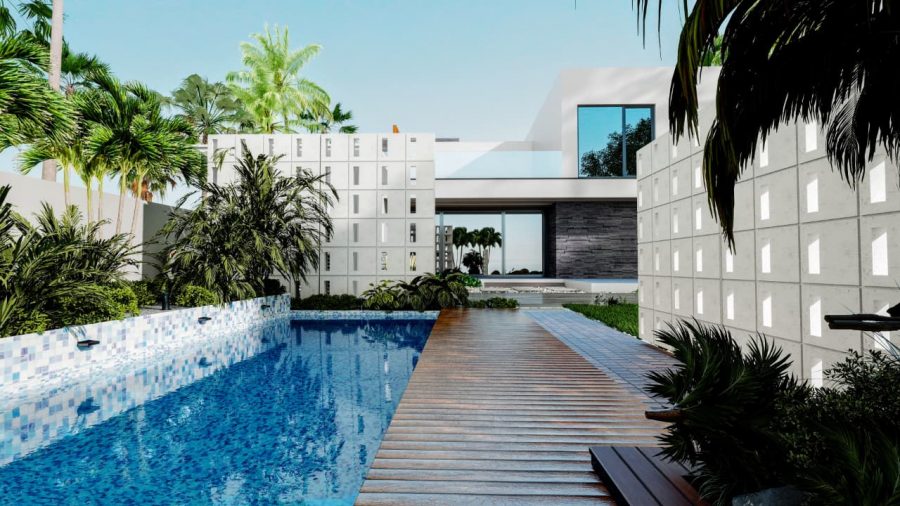
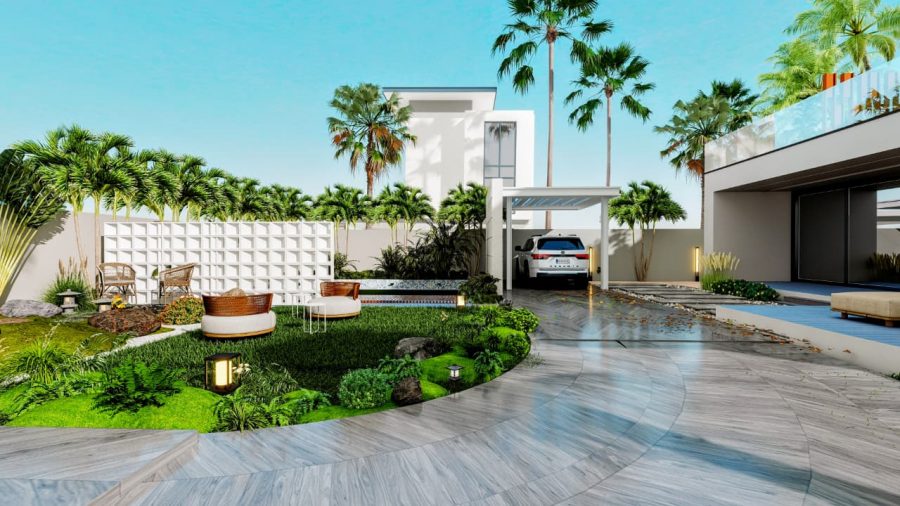
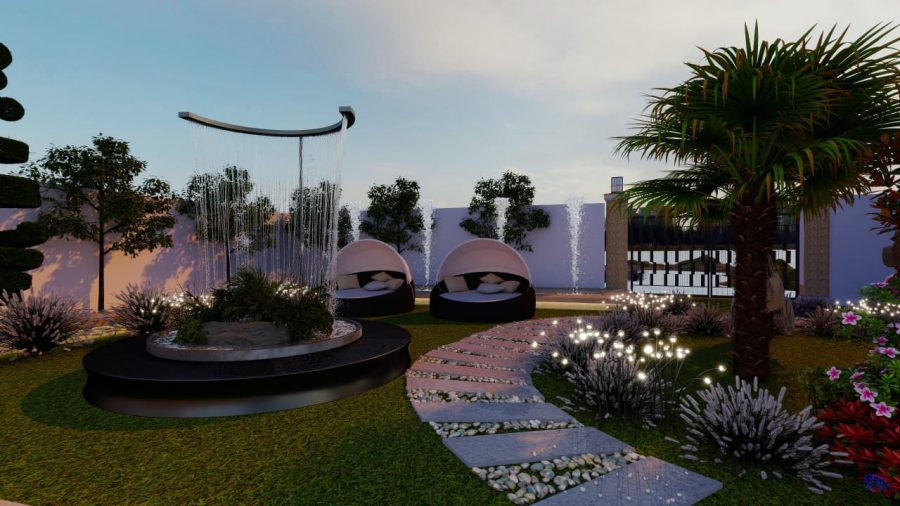
After working part-time for two years, Vignesh transitioned into freelancing and is now launching his own startup, Nd3 Interactive Studios Pvt Ltd, currently in its pre-seed stage. His studio focuses primarily on interior design, while also expanding into exterior and landscape visualization.
An Industry Growing Alongside Real Estate
The interior design industry in his region is rapidly expanding.
“Real estate sales are very high, and around 60% of property owners hire interior designers.”
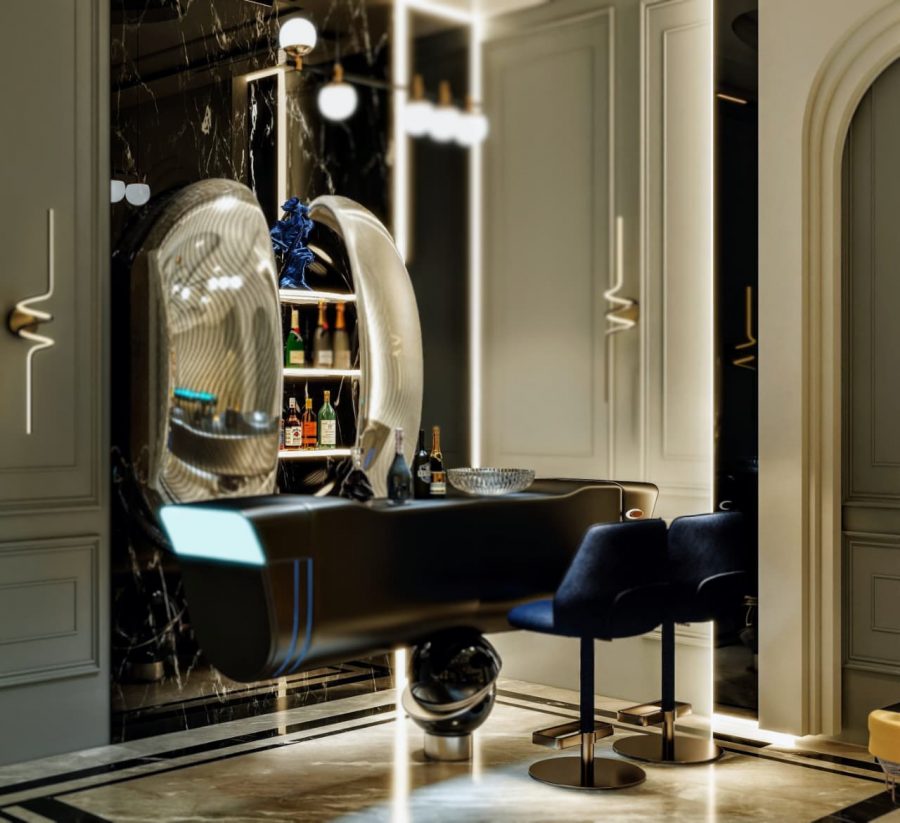
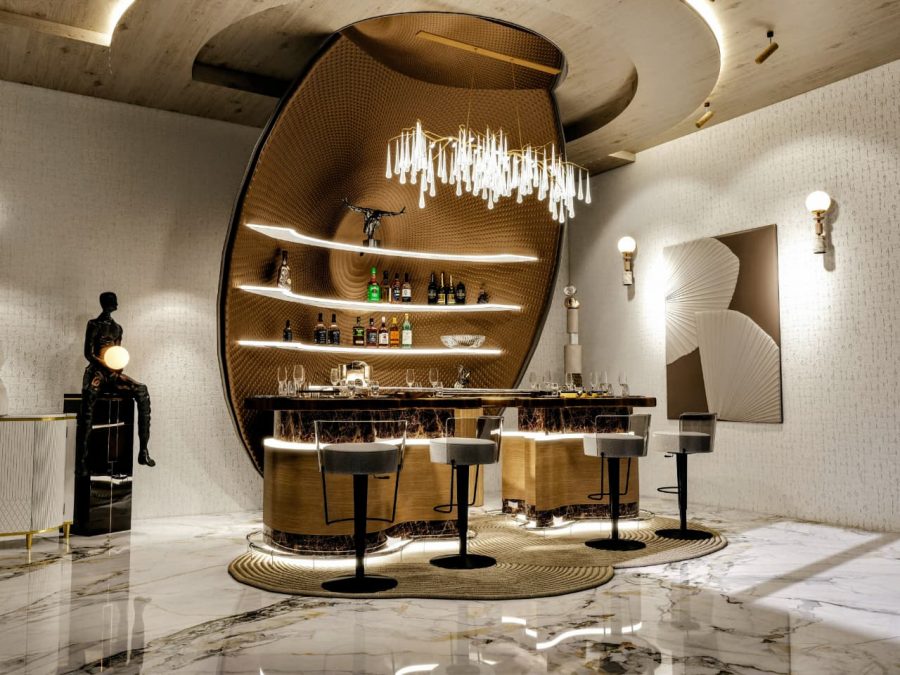
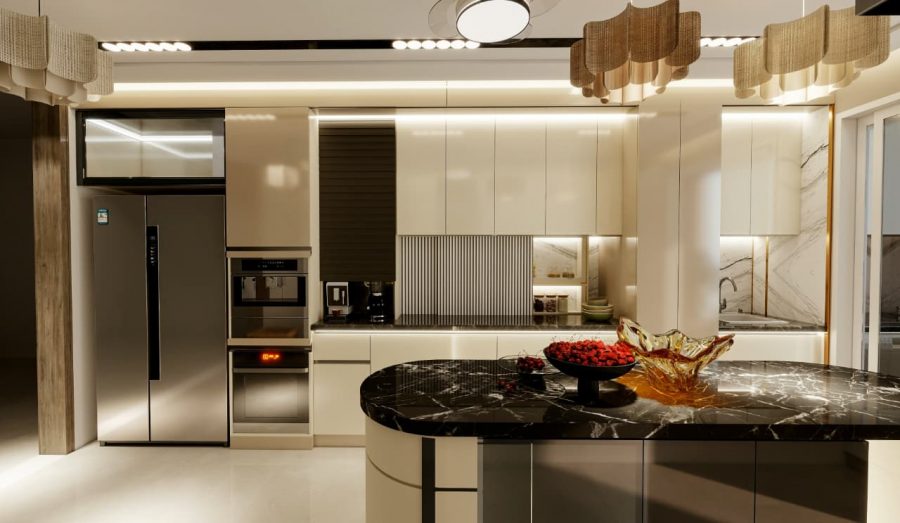
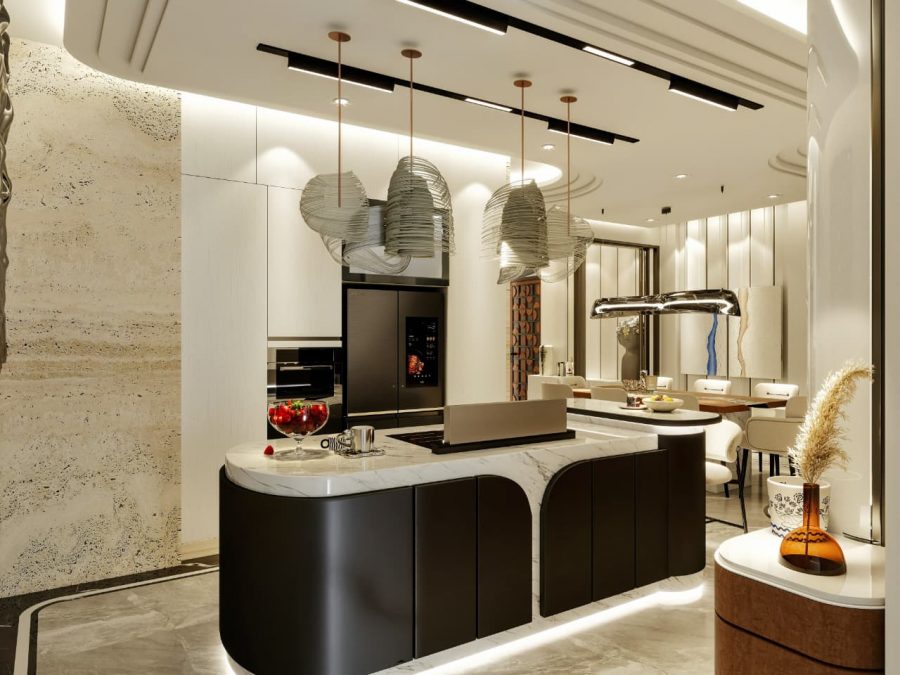
In India, developers increasingly rely on high-quality visualizations to boost property sales. The demand is not just for technical drawings, but for emotionally compelling, luxury-driven presentation.
“They want a high-end luxury feel of their project so that clients and buyers are attracted better.”
Most 3D studios operate on a project-based contractual model. Speed, quality, and consistency are critical to remaining competitive.
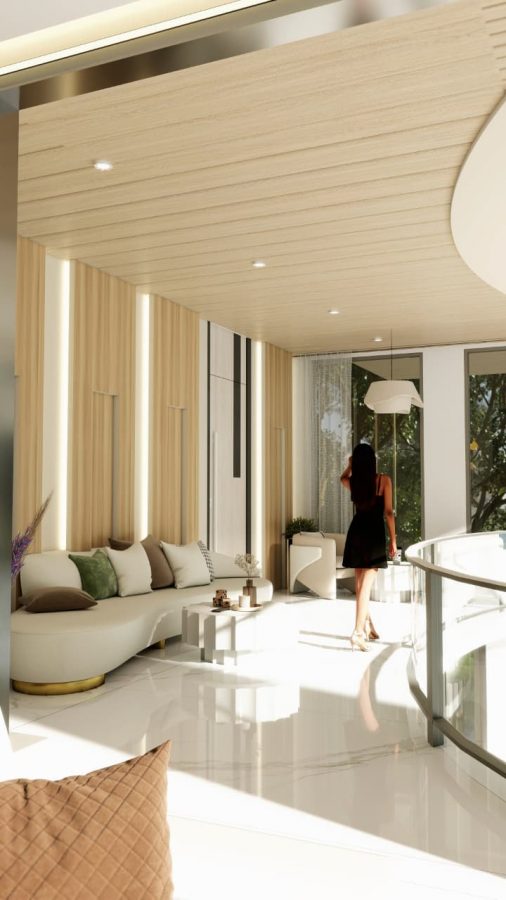
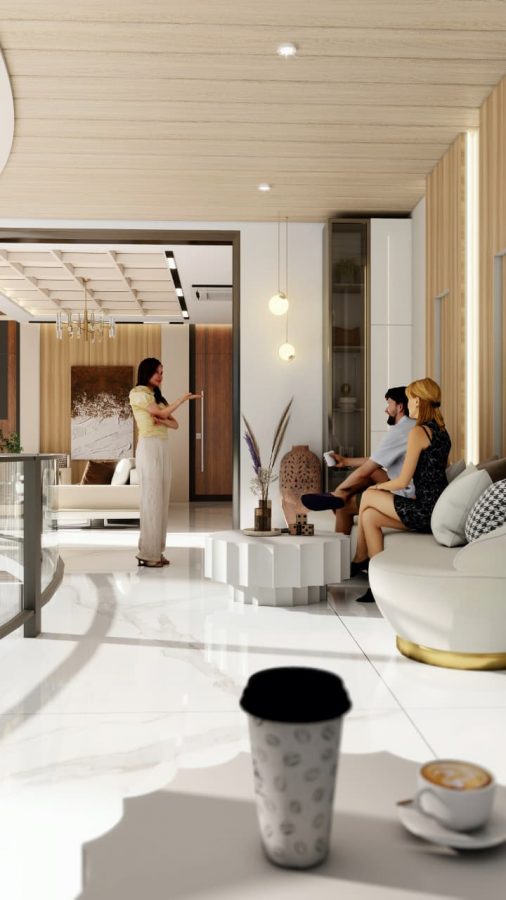
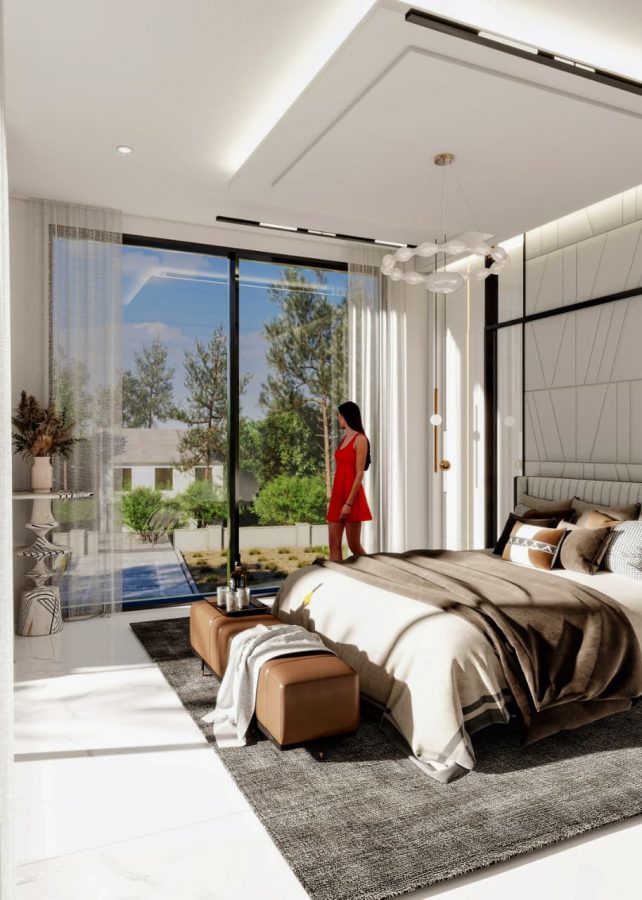
From CAD Floor Plan to Final Visualization—All Within Coohom
Vignesh’s workflow begins with a CAD floor plan provided by the client.
From there, the entire process takes place inside Coohom:
- Space planning
- Interior modeling
- Material application
- Lighting setup
- Rendering
- Walkthrough creation
- 720° VR tour generation
“We use Coohom daily from floor plan to final rendering.”
In many projects, his team does not even create custom models. Everything is sourced directly from Coohom’s model library.
“We haven’t even created a specific 3D model for that project. Everything was sourced from Coohom itself.”
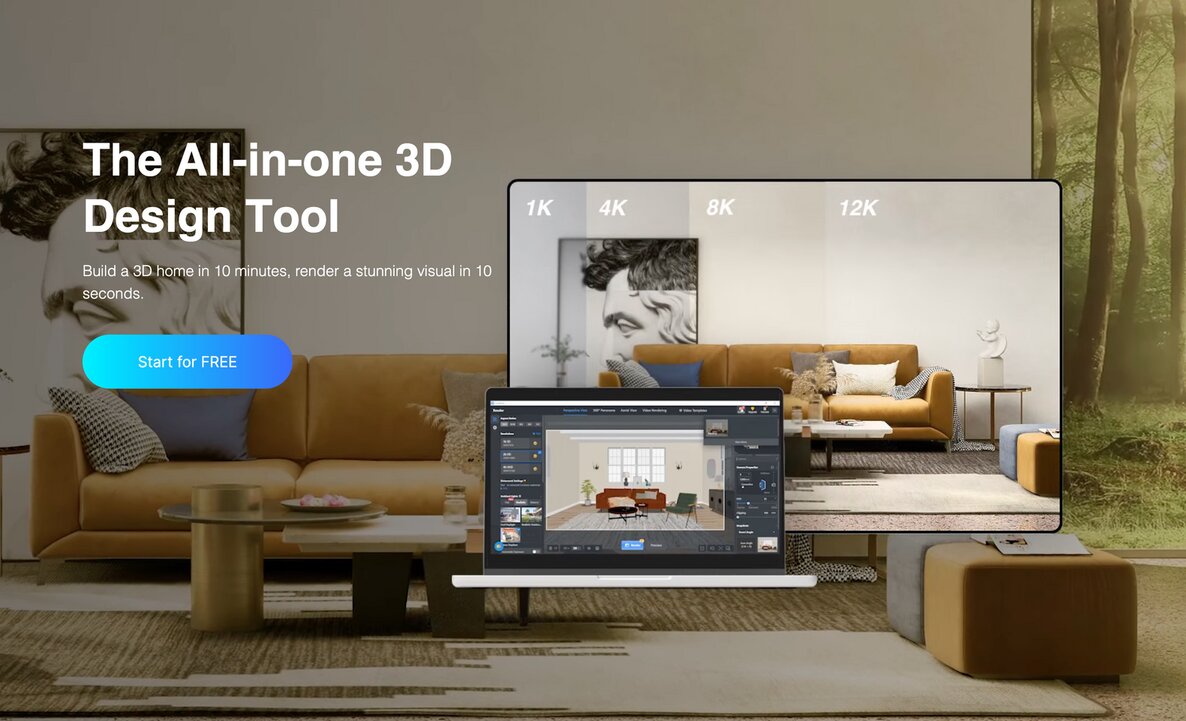
For a growing studio, this integrated workflow significantly reduces production time. Cloud rendering removes the dependency on high-end hardware, while the extensive model library enables fast and consistent output.
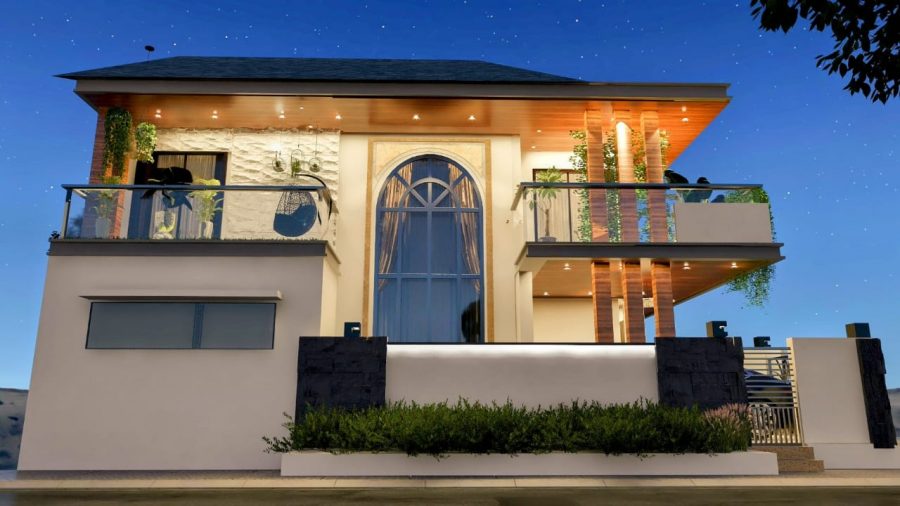
Why 720° VR Matters More Than Images or Video
As client expectations evolved, so did his presentation methods.
Initially, projects were delivered as separate room renderings followed by a walkthrough video. Over the past 1.5 years, however, 720° VR tours have become the primary communication format.
When asked which medium is most important when presenting to clients—images, video, or VR—his answer was clear:
“720VR.”
Interactive visualization gives clients spatial clarity and a stronger sense of immersion. Instead of passively viewing a scene, they can explore it. This often leads to faster decision-making and greater confidence in the design.
Efficiency as a Competitive Advantage
Vignesh describes Coohom as:
- The fastest rendering solution he has used
- Smooth in workflow
- Accessible even without high-end PCs
For studios operating in a competitive, fast-paced real estate environment, efficiency is not optional—it is a survival factor.
By relying on one integrated platform rather than multiple tools, his team maintains consistency while delivering luxury-level results under tight timelines.
Looking Ahead: Toward Immersive Digital Experience
While Coohom currently powers his full production pipeline, Vignesh sees the future of real estate visualization moving toward even more immersive experiences—luxury-branded interactive presentations integrated with VR.
As India’s property market continues to expand, visualization is becoming more than a support tool; it is a central driver of sales and buyer engagement.
From a young boy imagining buildings to the founder of an emerging visualization studio, Vignesh’s journey reflects the transformation happening across the industry.
Technology did not replace his creativity—it enabled him to scale it.