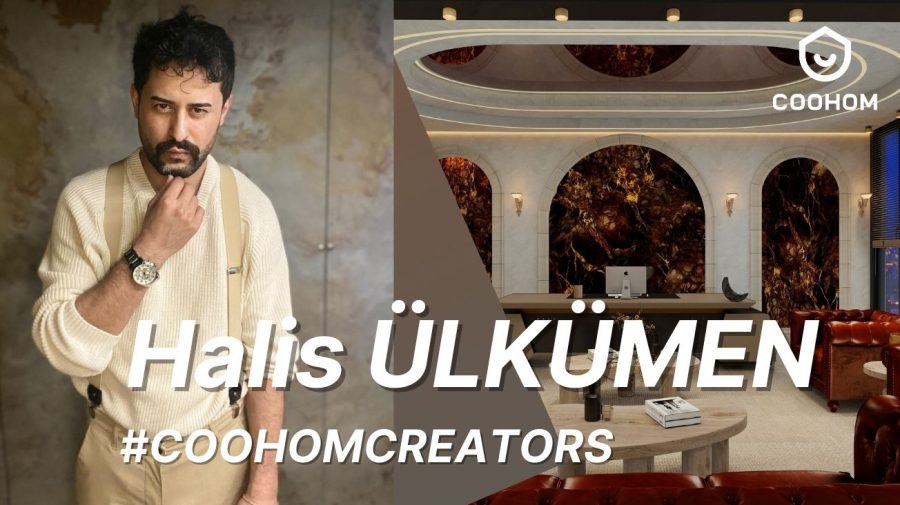
At thirty-three, Halis Ülkümen has already built over nine years of experience in architectural design.
In Turkey, his portfolio ranges from large-scale public projects to conceptual designs for national retail chains.
Over the past four years, he has also worked as a BIM Manager. This role has shifted his career from pure design practice to a broader focus on digital management and coordination.
“Today, design is not only about creating good concepts. It’s about transforming those ideas into clear, convincing, and buildable results-very quickly,” Halis says. “Client expectations have changed. As professionals, we had to adapt.” For Halis, discovering Coohom marked a clear turning point in his career.
Halis states straightly, “As a BIM Manager, my priority is to eliminate uncertainty early in the process. I aim to ensure that design decisions are clear, coordinated, and easy to understand for clients, consultants, and contractors.”
Today, his work covers the entire digital workflow.It spans from conceptualization and spatial planning to BIM coordination, visualization, and client communication. His goal remains the same: to create designs that are visually strong, technically clear, efficient, and buildable. In this article, Halis reflects on his shift from traditional architectural practice to a digital design approach. He also shares how Coohom has transformed the way he communicates with clients and teams. The result is faster, more solution-driven decisions and higher client satisfaction.
When Workflows Limit Creativity
Before adopting Coohom, Halis worked much like many architectural visualization professionals. “My design, visualization, and presentation workflow was mainly based on 3ds Max, V-Ray, and Adobe Photoshop. This is actually a very familiar setup for many professionals in the industry.” Halis shares. Although the process is well established, it is also extremely heavy.
Halis admits, “Getting a clean, problem-free render in 3ds Max on the first try is not easy. Lighting setup, scene organization, and render optimization all take time. Even with powerful hardware, long render times made the process slow and exhausting.”
The real challenge often began after the render was complete. “When a client requested even a small revision, almost everything had to be reconsidered from scratch. Rebuilding scenes, rendering, and sending updates again meant extra work and lost time,” Halis says. What concerned him most, however, was a subtler cost. The initial passion for a design would slowly fade under the weight of constant revisions and waiting.
At the same time, Halis adds, “On the client side, understanding projects through 2D drawings alone was never easy. This often led to communication gaps.” He eventually realized that the problem was not his design ability. It was the structural limitations of the workflow itself.
Serving as a Decision-Making Hub
If earlier challenges were caused by a fragmented process, Coohom has now become the central hub of Halis’s workflow.
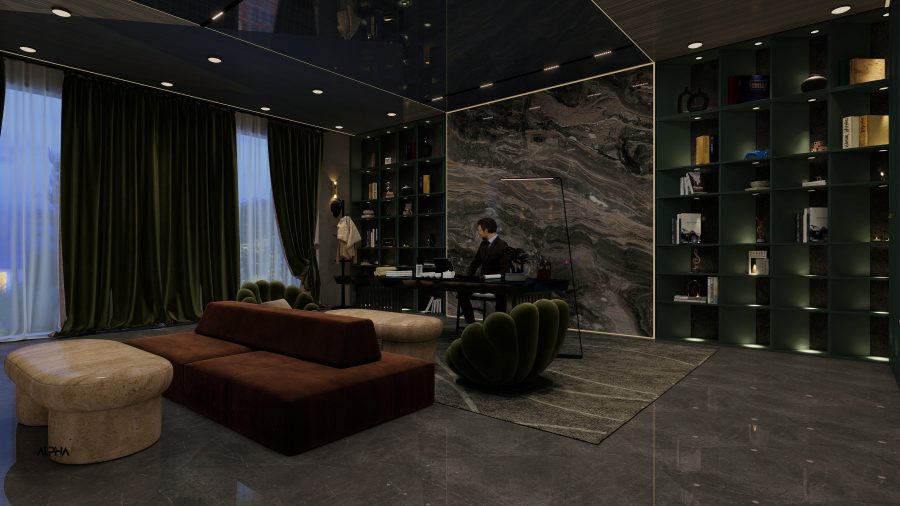
During the conceptual design phase, Coohom is his most essential tool. It forms the foundation of his workflow. In his view, however, it is far more than visualization software. “It is a communication language,” Halis says. ”A language that conveys ideas, emotions, and spatial atmosphere directly.”
“For example, when I create a concept for a coffee brand, I can design the interior and exterior, place the brand logo, and control how the logo’s lighting reflects on the facade signage — all within one system. At that point, the project becomes almost impossible to reject, because the client is not looking at a proposal anymore. They are experiencing a finished and emotionally convincing space.” With real-time adjustments and 360° walkthroughs, feedback becomes immediate and clear. The client’s reaction then drives the decision-making process.
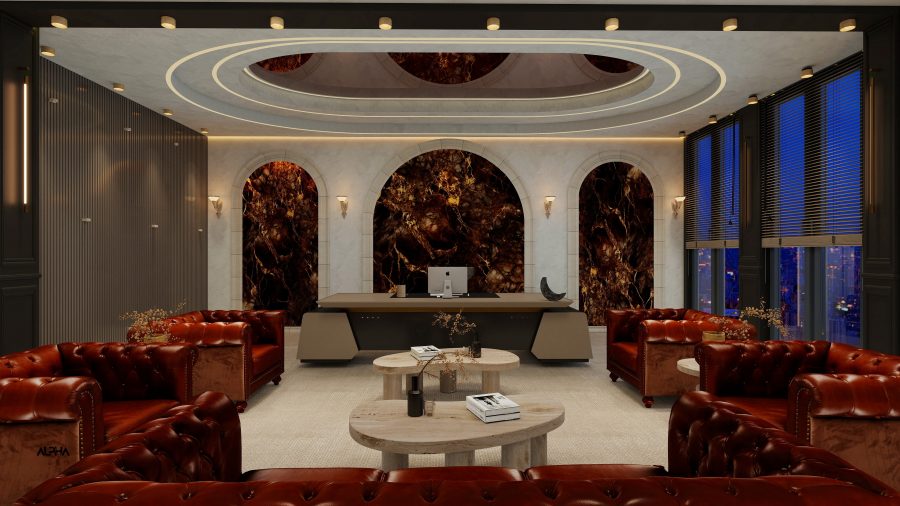
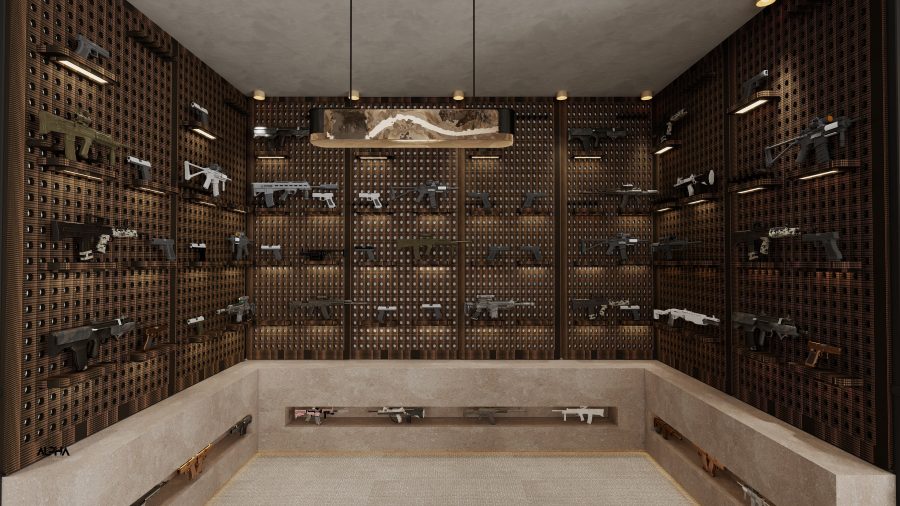
Coohom’s role goes beyond the concept stage. It also acts as a bridge for team collaboration and production. Halis explains, ”I provide furniture manufacturers with complete renderings, dimensional data, and material details. This allows for an almost one-to-one translation from design to production.”
”Managing all of this within a single platform saves significant time. It reduces production issues and sets a high project standard. Naturally, it moved me away from the fragmented and inefficient workflows I used before,” Halis says. “Coohom is not a preference anymore. It has become a natural first choice.”
Aesthetics Rooted in Buildability
As a BIM Manager, “buildability” is Halis’s benchmark. “Aesthetics have never been enough for me,” he says. “My primary criterion has always been very clear: can what is designed be produced accurately, anywhere in the world?”
In his system, “Rendering is not just a visual output. It is a shared language between design, production, and construction,” Halis explains. “If the emotions expressed through materials, light, and color are not clearly understood, a project cannot compete globally.” This is why he places such high value on Coohom.
“In the projects I’ve completed with Coohom, the consistency between the renderings and the final on-site results has been remarkable. Especially in bespoke furniture and non-standard manufacturing, this level of accuracy builds real trust. Coohom does more than support a predictable, scalable, and repeatable process. It embeds this philosophy into the core of the system. Therefore, I view it as a design infrastructure with global applicability.”
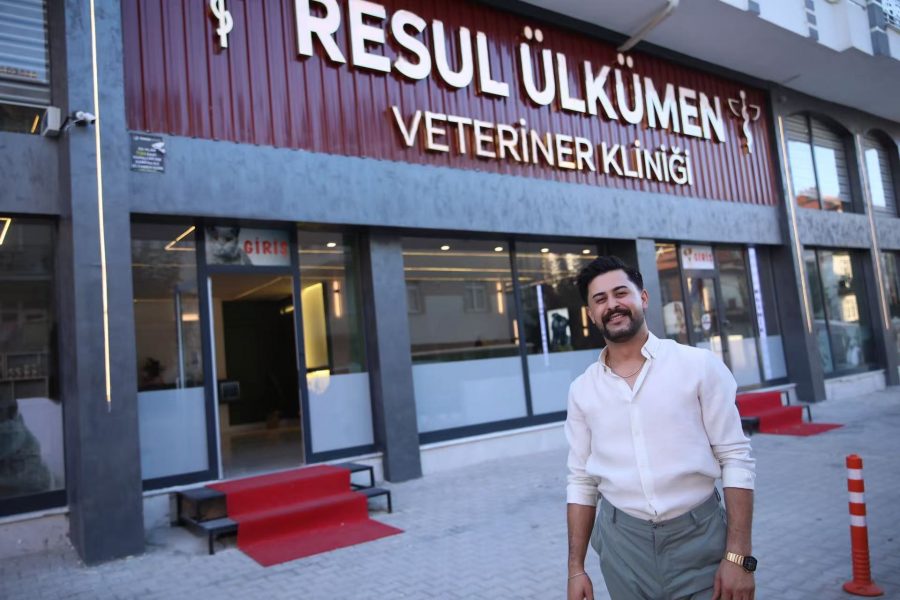
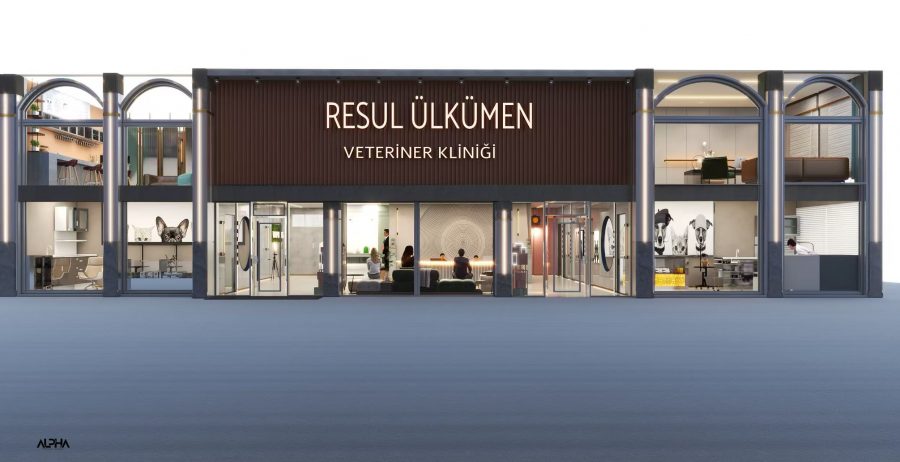
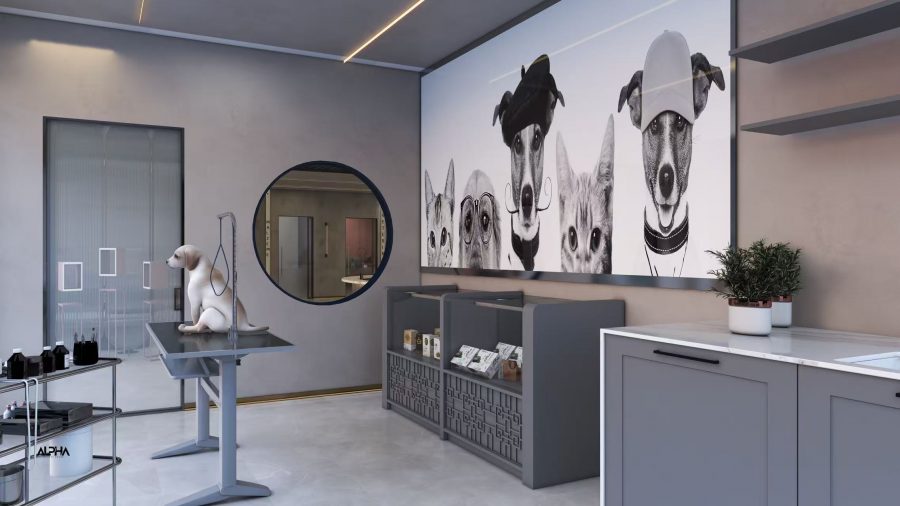
Halis also shared a real case. “In a national pet hospital and pet hotel project, Coohom helped me solve a critical issue. The project had failed several times because it did not meet official veterinary clinic regulations. While on-site with the client, I used Coohom to analyze and adjust the plan in real time. By rearranging the entrance, I activated space that had previously been wasted. I was able to present the solution immediately in both 2D and 3D. Today, the project is one of the top ten pet medical complexes in Turkey.” This success did not come from design alone. It came from the client’s immediate trust at a decisive moment.
Over the past three to five years, he has also witnessed the platform’s steady evolution. ”I’ve often faced situations where I couldn’t find a specific product. A few days later, I searched again and found a closer or even more refined option,” Halis says. The Coohom material and product library is not only growing in size. It is also improving in cultural diversity and global compatibility. ”This makes me feel that Coohom truly listens to its users and responds quickly,” he adds.
For this reason, after testing both the Pro and Elite versions on real projects, he ultimately chose Elite for long-term use. He has now used it for nearly five years. The reason is simple, Halis says: ”At every professional level, it consistently exceeds my expectations.”
Moving Forward for the Future
With the rapid rise of AI tools, Halis has noticed a clear pattern. Many senior practitioners prefer to stay within familiar software systems. They remain cautious, or simply observant, toward new technologies. ”Having representatives who are active not only online and in professional practice, but also in universities, architecture and interior design faculties, as well as furniture and design fairs, would make a major difference—especially in markets like Turkey. Demonstrating Coohom through real, physical projects is key,” he says. For Halis, technology is not a replacement for expertise, but a tool that amplifies professional judgment.
Reflecting on the past few years, Halis credits one core shift: an upgrade in communication.”Coohom has changed the way I communicate designs with clients and teams,” he admits. ”It simplifies and speeds up the entire design process. My only regret is not discovering Coohom earlier.”